PIB: What do you do after hours? By “after hours” I mean: after finishing your work at the Wrocław Pantomime Theatre, when a new chapter of life began for you… Because during the intense career with Henryk Tomaszewski there probably wasn’t time for anything else?
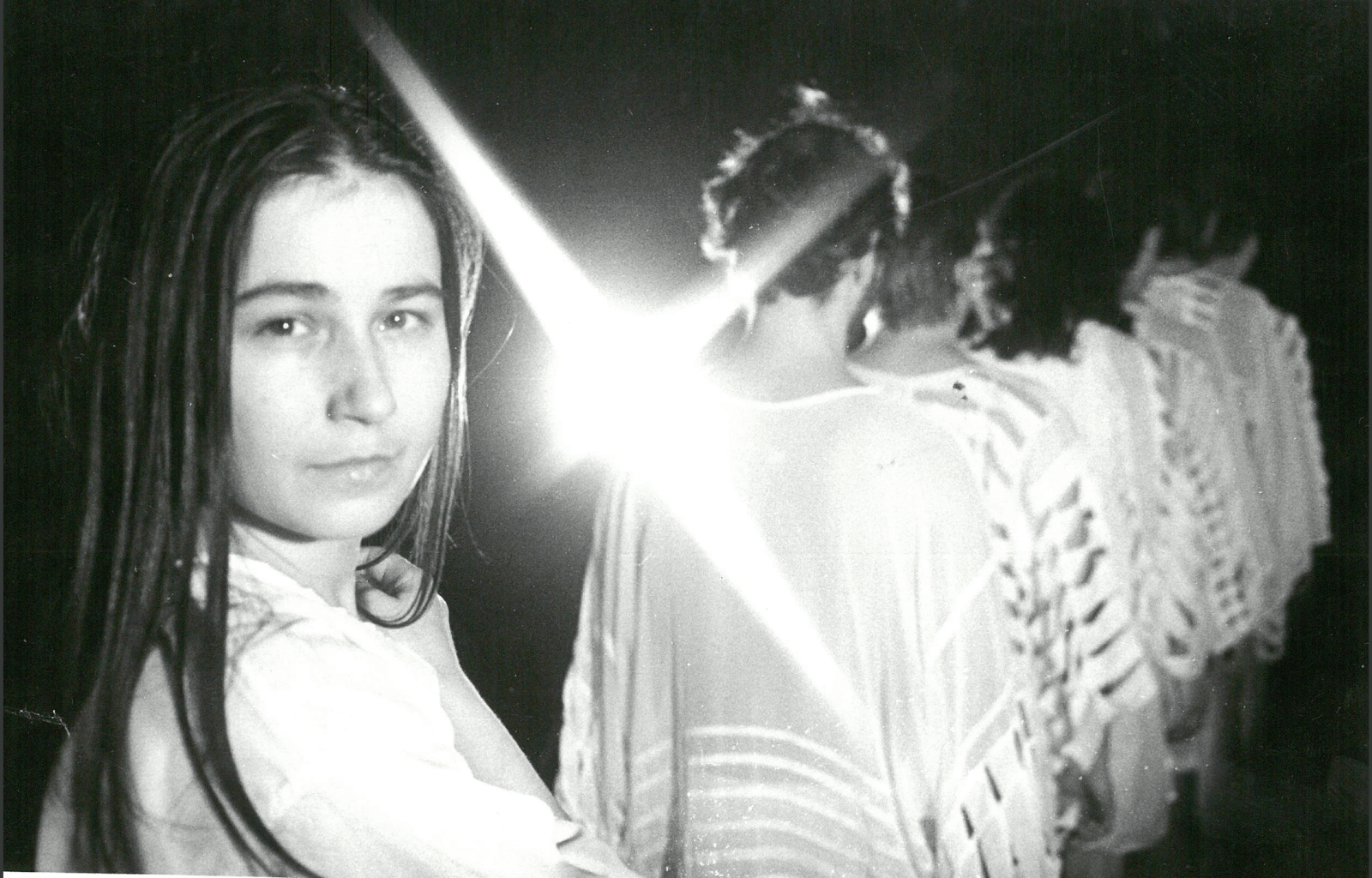
ES: It was very intense work as a mime actress, it consumed me completely. I created characters out of inner conflict, out of the emotions that tore at me; constant adrenaline. During my time at the Wrocław Pantomime Theatre I missed the inner calm that I need for painting, and which came only after 1991, when I left Henryk Tomaszewski’s Theatre.
PIB: How did it all begin? You graduated from the famous Wrocław High School of Fine Arts – what redirected your attention to pantomime? Why didn’t you go straight into painting?
ES: I dreamed of acting already in primary school, but in the 1970s there were no high schools with that profile. I painted well, my work was appreciated, so I chose the Fine Arts High School, but during those years I joined the Youth Theatre Group at the Culture Centre, where pantomime classes were held. At that time pantomime turned out to be the right form of expressing the feelings deeply rooted in me. In the quiet, lyrical language of mime I found my own way of expression. Then came the exam before master Henryk Tomaszewski – and that’s how I became a pantomime artist.
PIB: What was master Tomaszewski like? Did he see the performance he was creating as a whole, or did he work separately with each actor? Was he demanding?
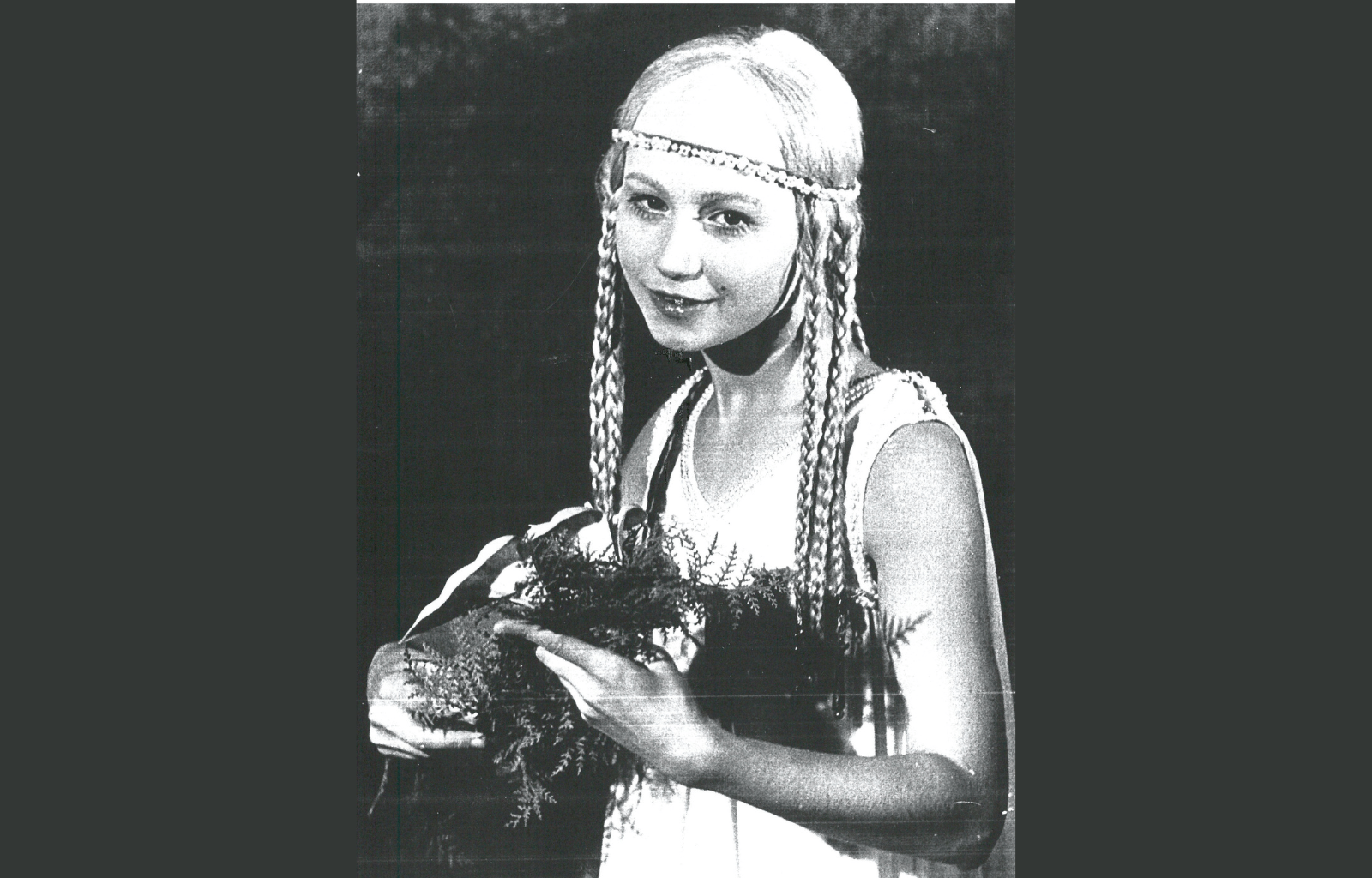
ES: In the theatre he was immersed in thought, working on the pieces he was creating. He was inspiring, suggestive, he fascinated me. At the same time he could be very charming; he enjoyed joking. He worked with us individually, but also on group scenes. For example, when I played Ophelia, I had separate rehearsals with my stage partner. Tomaszewski demanded professionalism from his mimes – I gave myself to that work entirely.
PIB: I imagine not without cost… You say, “I created characters out of inner conflict” – that must have been painful?
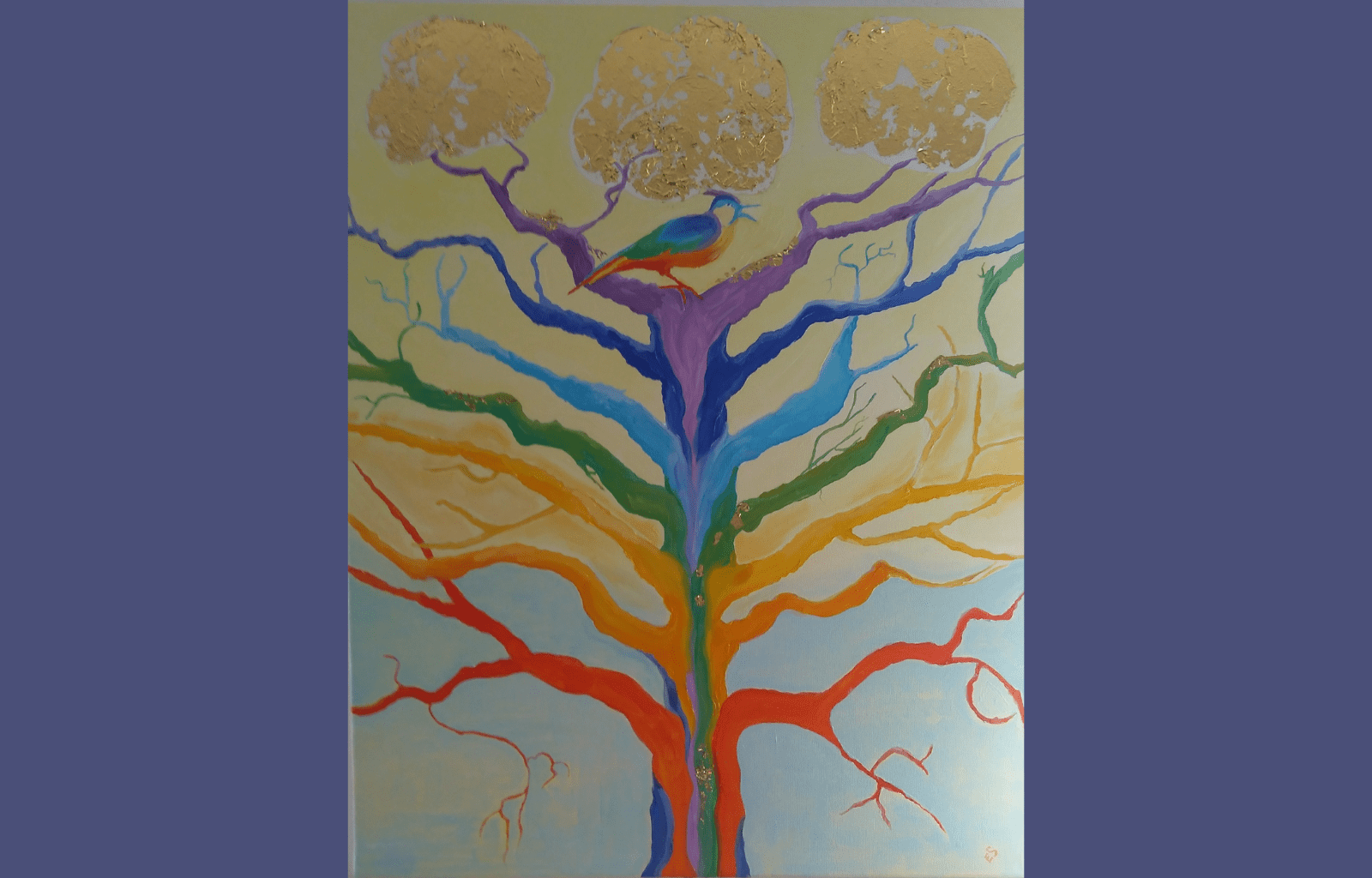
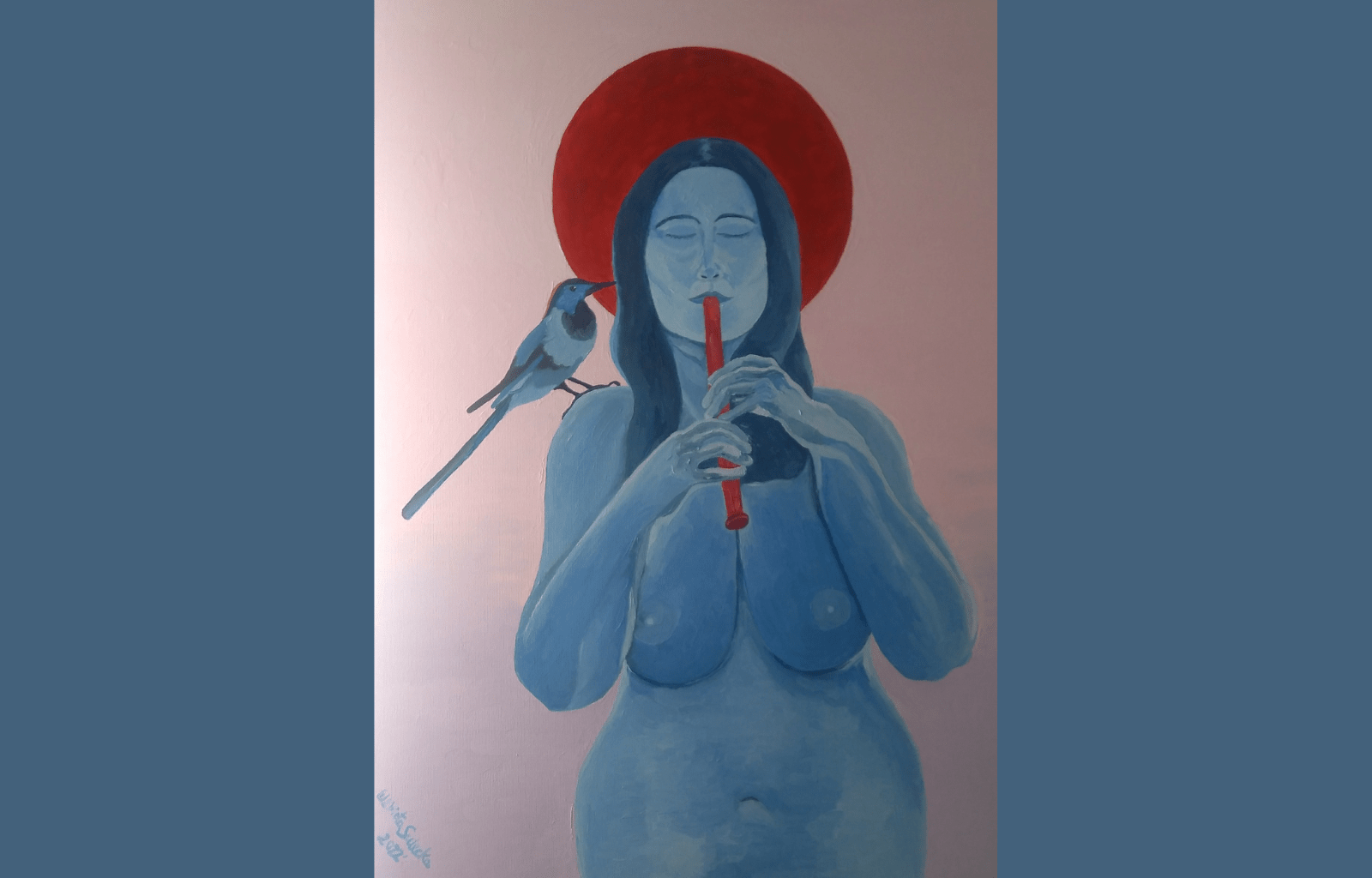
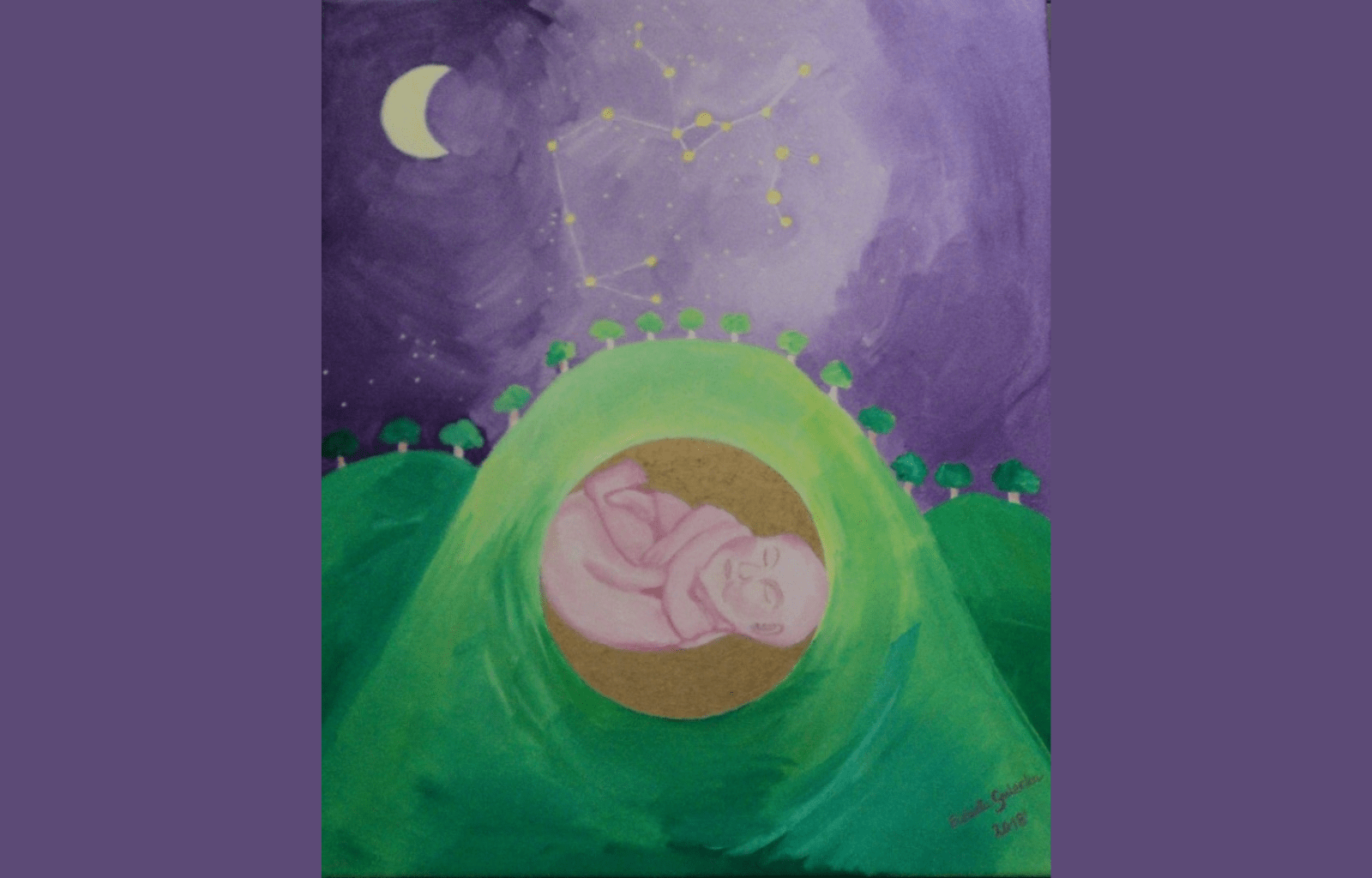
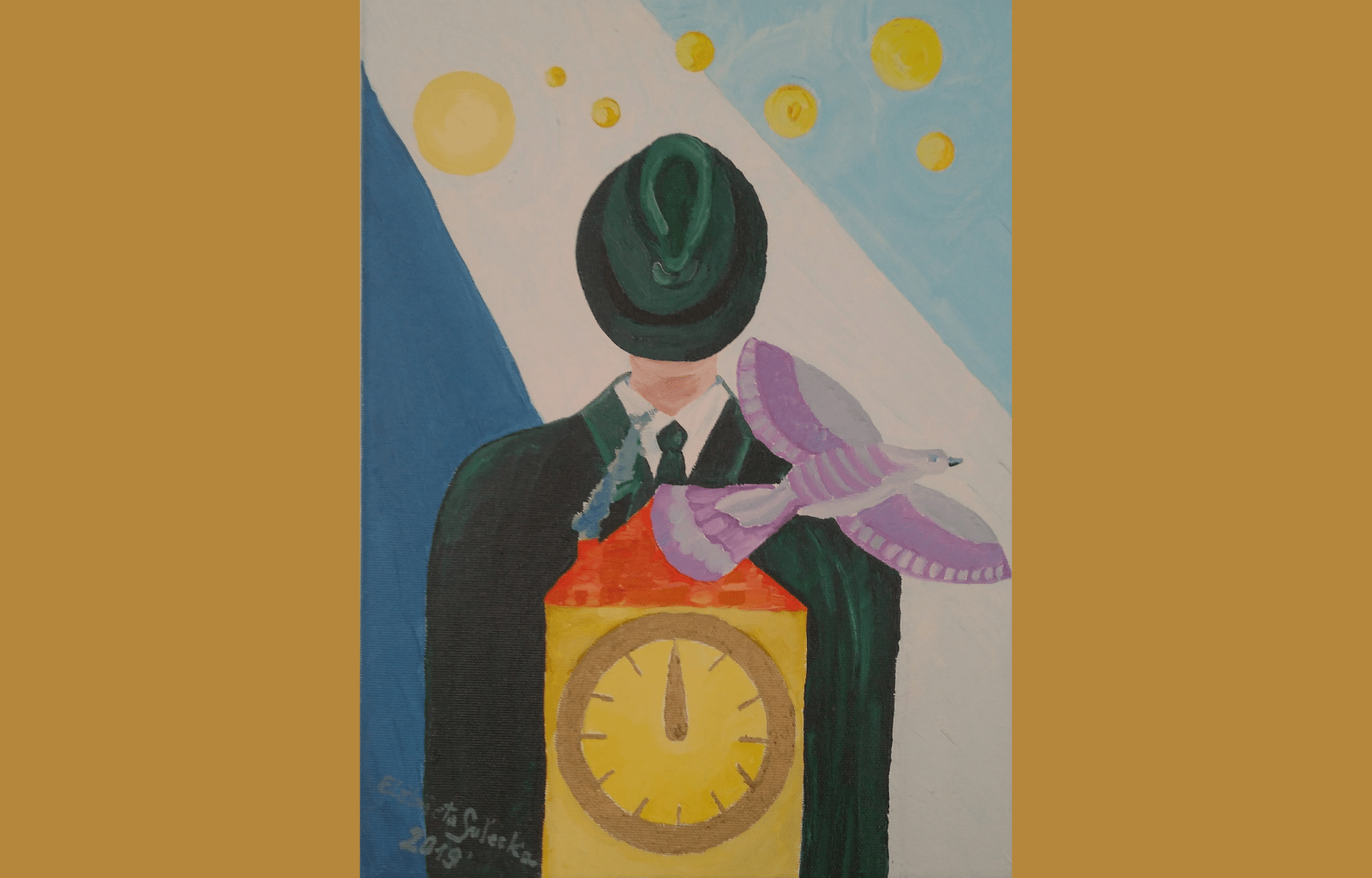
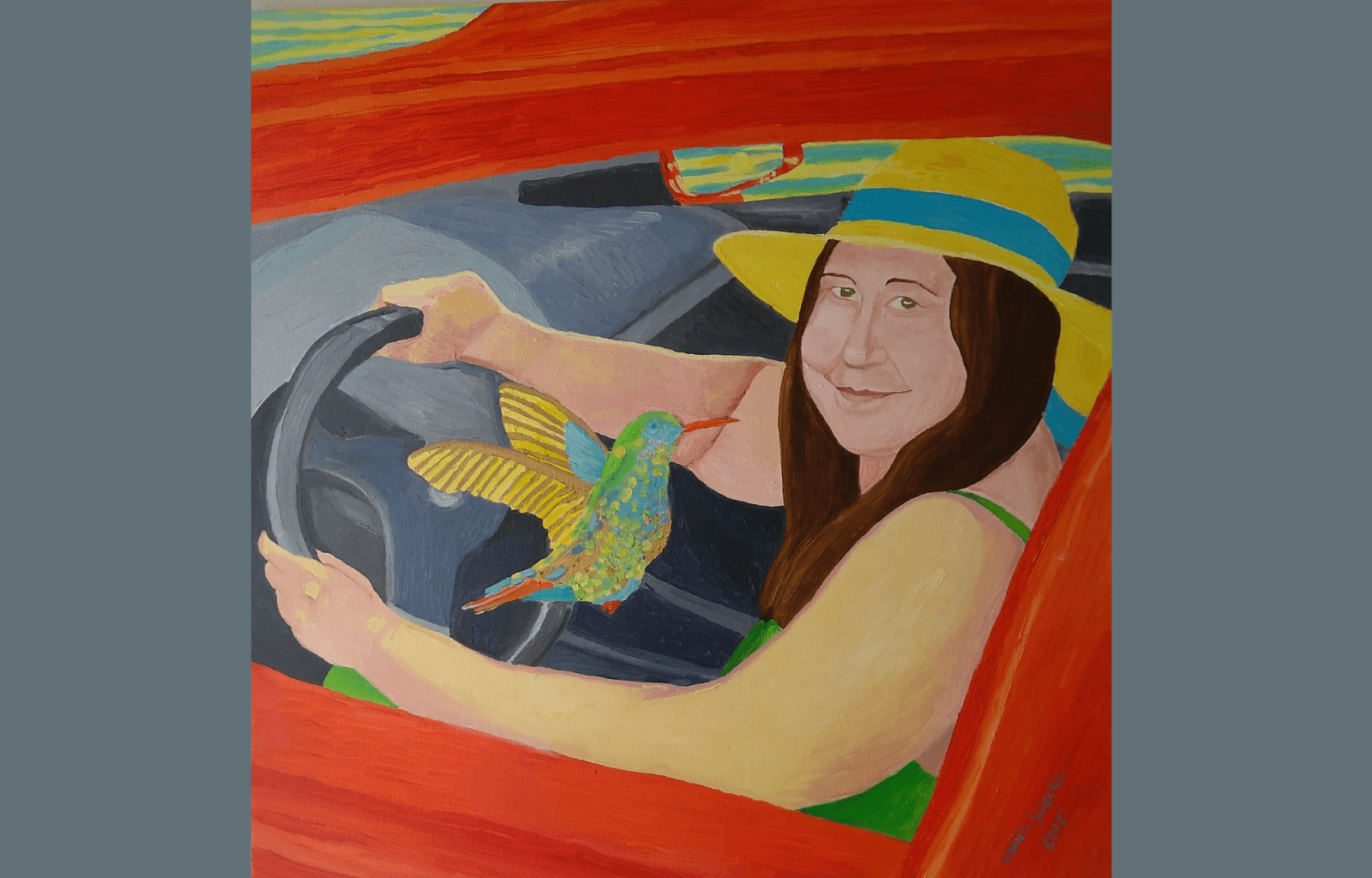
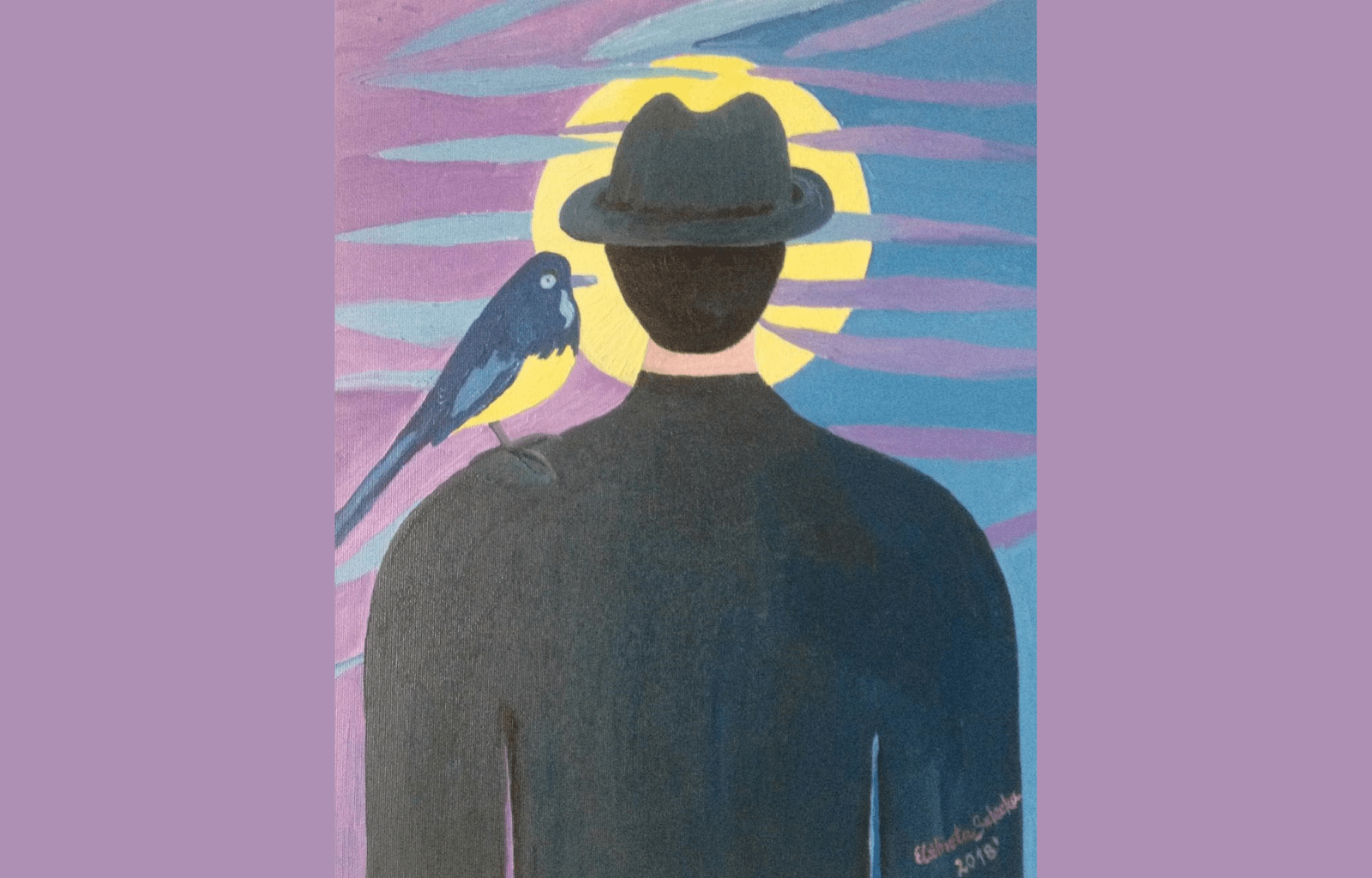
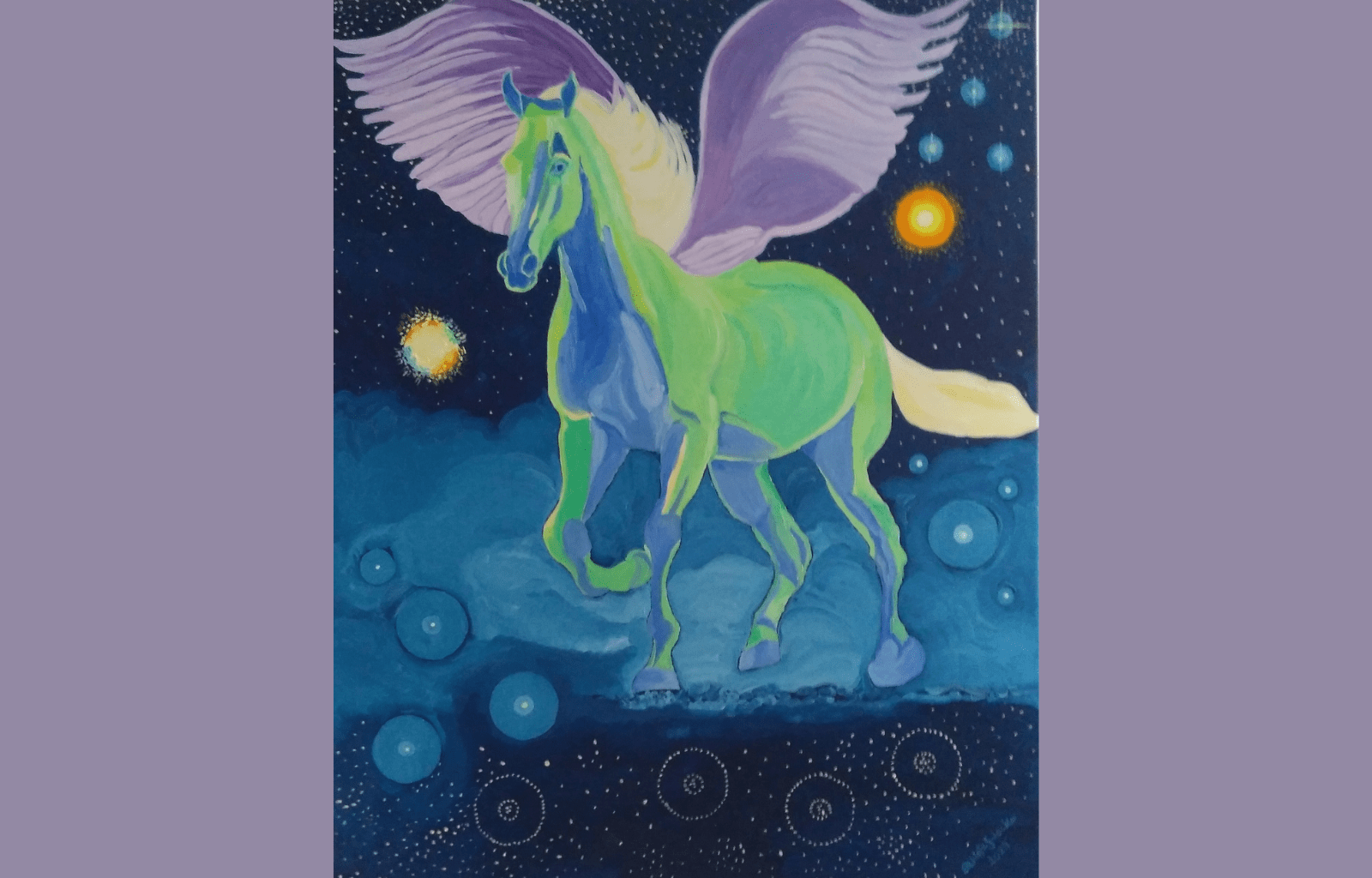
ES: It was painful then, and later too – it cost me my health. But with time I see that I made the right choice following the path of life through art. When I ended my work as a mime actress, I found silence and harmony within myself and returned to painting. I painted commissioned copies of old masters: Klimt, Degas, Bruegel… I also had the space to create my own paintings. And they – outwardly joyful in colour – express the feelings of being torn between the world of an adult and the time of childhood.
PIB: What is it like today? You have exhibitions, your works are sold online – do you have a studio? How much time do you spend painting? Are you a morning painter, when the light is best? Do you follow a particular discipline?
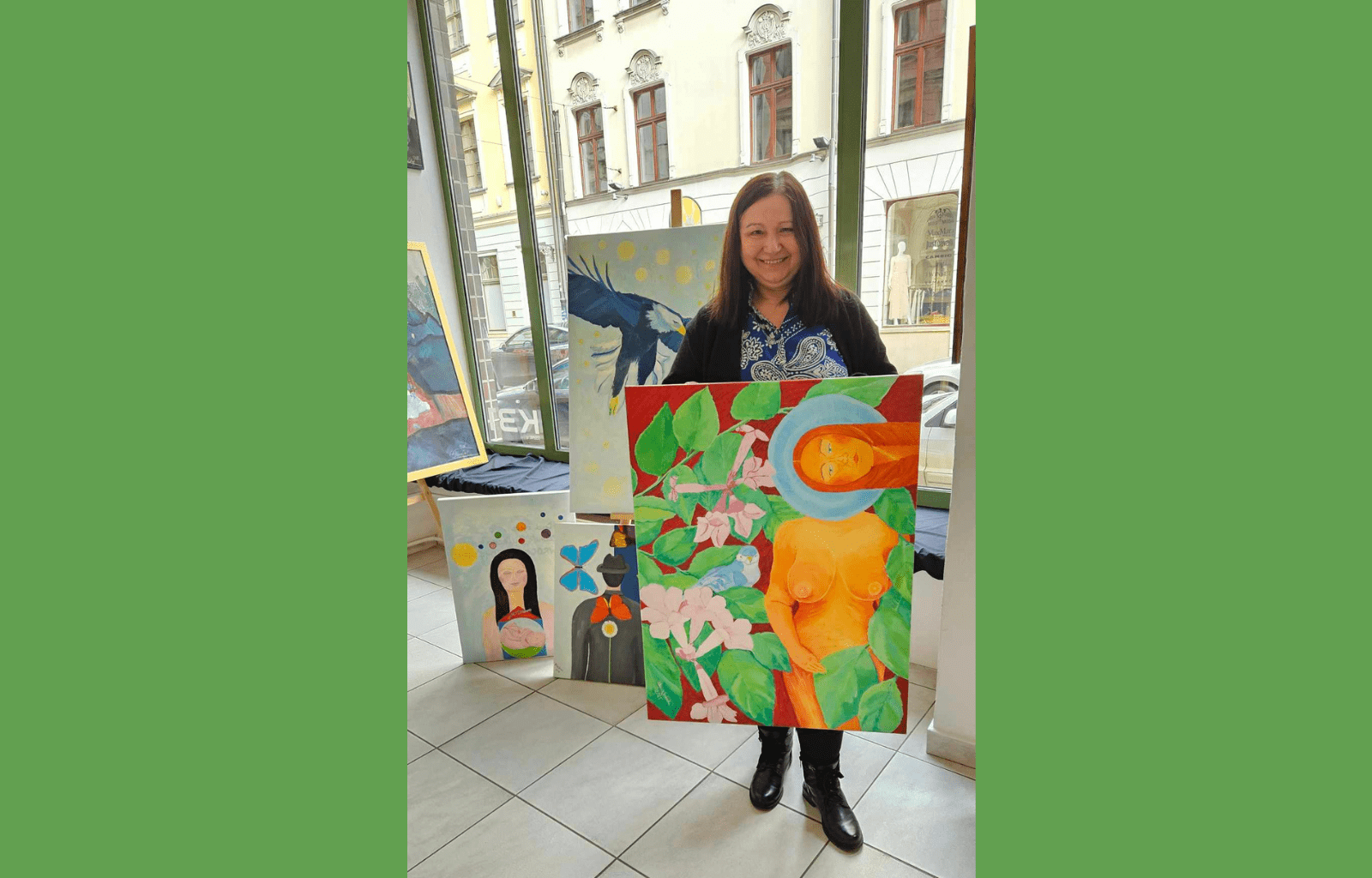
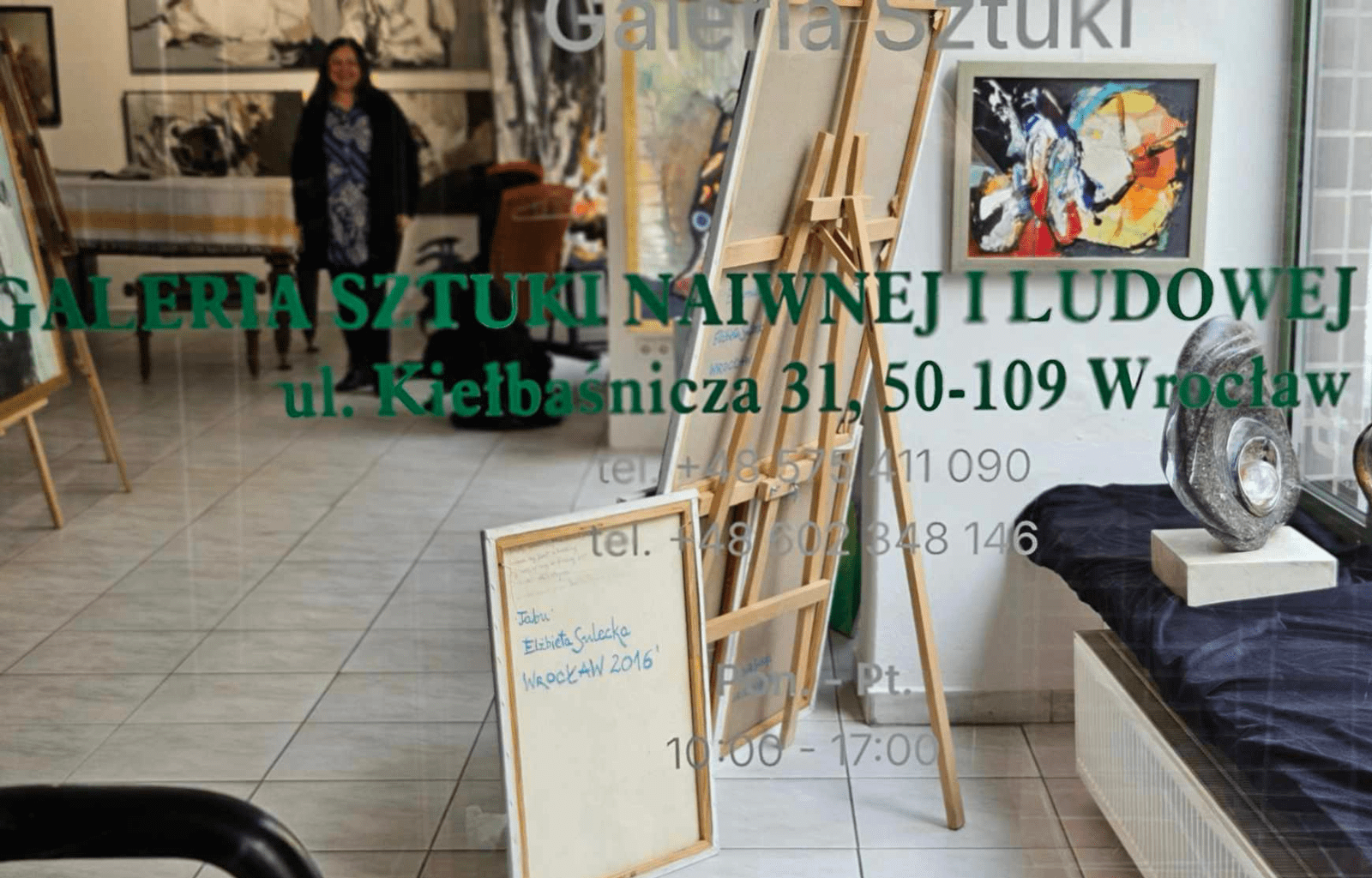
ES: Since 2016 I have been working with the Gallery of Naive and Folk Art in Wrocław; during that time I have participated several times in the International Art Naïf Festival in Katowice, and I present and sell my paintings in online galleries.
I paint in my flat in Wrocław. There is contemplation within me, and from it the idea is born. I make initial sketches; then I prepare my workspace and paint the picture step by step. My works are stories from a life called a journey, born from fragments of thoughts, imagination, intuition and impressions.
I always work during the day, preferably in sunlight.
PIB: You feel at home at the Gallery of Naive Art, I am your guest here. A very interesting place. Did entering the naïve art current require additional study? Courses, education, specialist literature, consultations with experts? Who is your mentor?
ES: I paint spontaneously; intuition and imagination guide me – I reach for the child within. My painting is accepted in the field of naïve art, which is described as “the song of a dove’s heart”, “childhood rediscovered”, “the art of an innocent gaze”… I feel and see these associations in naïve painting.
I started painting my first naïve works around 1991, and immersed myself in it fully about 20 years later – since 2009 I have been painting in oil technique.
PIB: Who are your favourite artists? The greatest painters?
ES: During high school I was dazzled by Picasso’s geometric painting. For many years now, the floating figures of Marc Chagall and the wild jungles of Henri Rousseau have captivated me.
PIB: What should we wish you?
ES: “…that my soul may sing and dance… wings to rise above the earth”…
PIB: Then I wish you many inspirations and lots of sunlight – and for us, many more of your paintings.
Interview by
Paulina Iwińska-Biernawska
Elżbieta Sulecka – mime student and artist, soloist of Henryk Tomaszewski’s Wrocław Pantomime Theatre, where she created roles such as Ophelia in Hamlet: Irony and Mourning (1984/1989); the Old Miser in The Prodigal Son (1986/1990); and Hermia in Action – A Midsummer Night’s Dream (1986/1990).
She paints colourful works, seeking a deformation of form that refers to children’s art and is based on expressive, impression-like study drawing. Her work reaches into universal symbolism, touches the inner child; colours dance as if in a symphony… The artist believes in the viewer – she emphasises the importance of individual reflection on each painting.
All photos from the artist’s archive; gallery photos by Paulina Iwińska-Biernawska